Application review
Email [email protected] with a drawing, WPS reference when available, and the production constraint. Do not send controlled customer drawings unless your organization permits external transmission.

Application desk
The fastest useful conversation starts with the joint rather than a model number. State the material specification, thickness range, joint type, position, process currently used, filler, shielding gas, input power, arc-on demand, governing code, and acceptance method. If a fault is involved, add when it occurs, the displayed code, cable and feeder configuration, recent maintenance, and any change made before the symptom appeared.
Photographs can help document fit-up, torch access, cable routing, and a visible discontinuity, but they do not replace measurements or the inspection method required by the job. Identify each image with the sample, pass, position, and setup revision it represents.
Email [email protected] with a drawing, WPS reference when available, and the production constraint. Do not send controlled customer drawings unless your organization permits external transmission.
Call +1 216 383 4873, Monday–Friday, 08:00–17:00 Eastern Time. Have the exact machine model, serial reference, input service, process, consumable, and fault sequence available.
Equipment ratings, listings, plugs, gas standards, manuals, and service channels vary by destination. Include country and installation location so the request can be routed to the applicable document set.
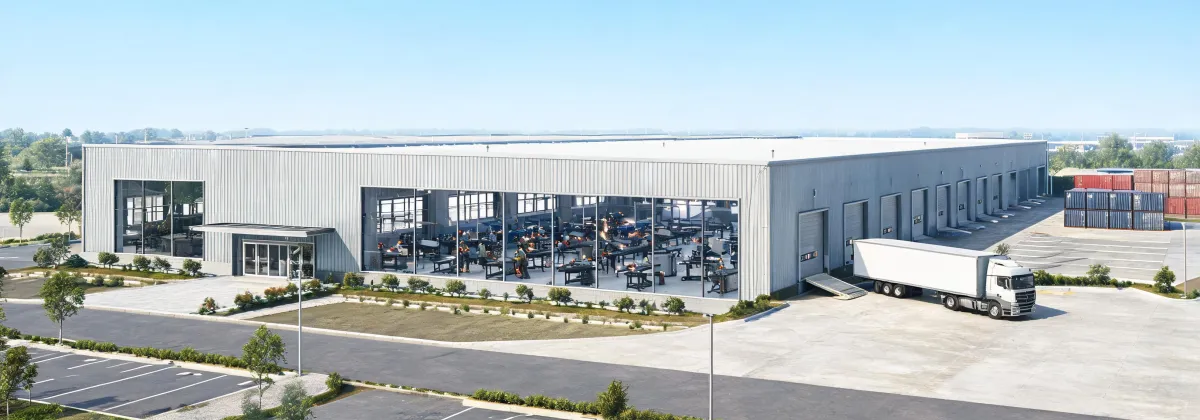
Reference location: Cleveland, Ohio, United States. Confirm the meeting address and visitor requirements with the application desk before travel.
Two-column intake
This form opens a technical intake; it does not approve a welding procedure or provide an emergency safety response. For an unsafe condition, stop work, isolate energy according to site procedure, and use the responsible local safety channel.
Performance depends on the full setup. Long leads, poor grounding, restricted airflow, contamination, high ambient temperature, generator quality, and worn wire-delivery components can change behavior even when front-panel settings look identical.